Crail Beach Fossils
Crail Beach Fossils
Hunt for 335-million-year-old fossils including giant centipede trackways along Crail's scenic Carboniferous coastline in Scotland.
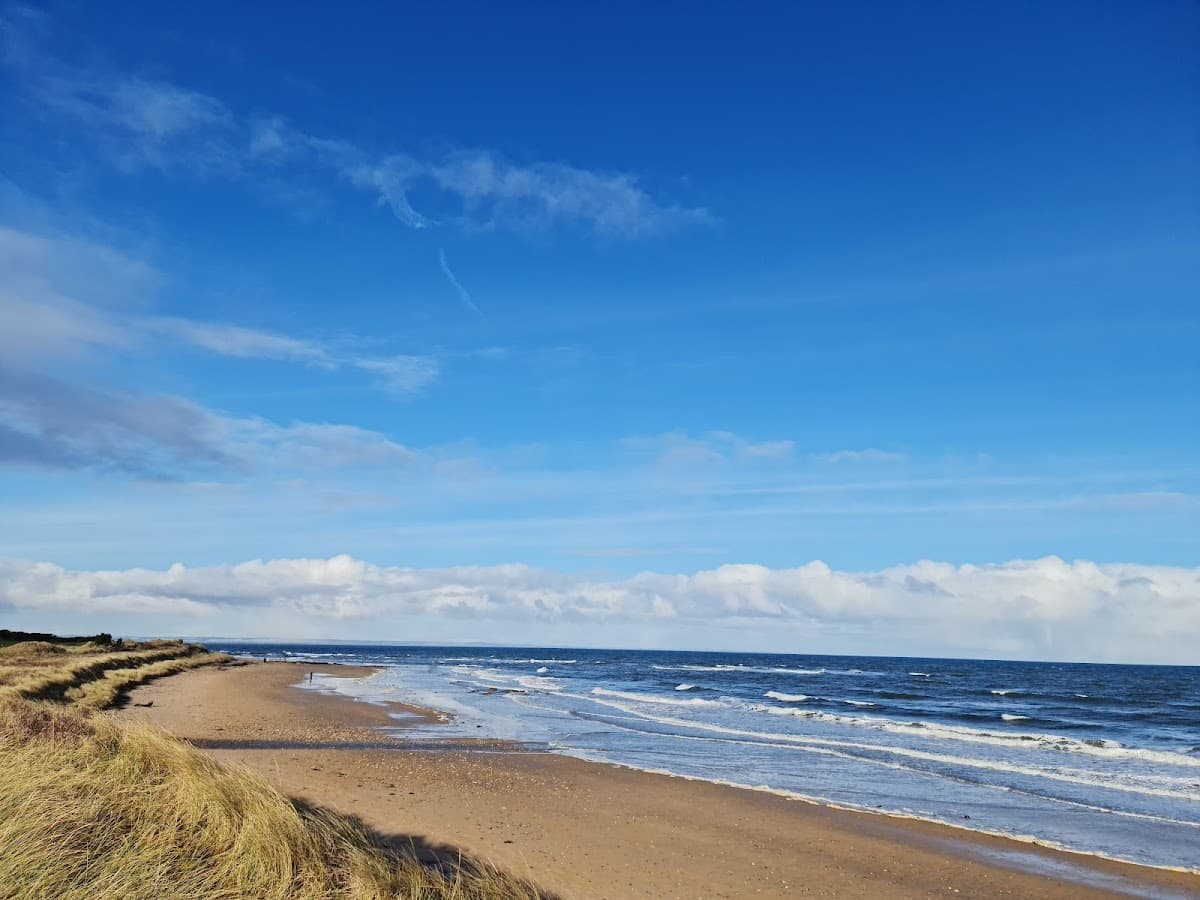
Crail Beach Fossils offers visitors a unique opportunity to explore geological history along the shores of a charming fishing village in Fife, Scotland. The site is renowned for its well-preserved Arthropleura trackways—fossilized trails left by giant centipedes that lived 335 million years ago during the Carboniferous period. These impressive creatures, measuring over 2 meters in length, inhabited the humid delta forests that once covered this region. Visitors can discover various fossils among the pebbles and foreshore exposures, including plant remains, giant tree stumps, and trackways visible both in the cliffs and on the foreshore. The best fossil hunting occurs during low tide in the multiple bays west of Crail harbour. The site benefits from stunning bay views and is conveniently located near a small coffee shop offering refreshments and vistas across the water. Crail is designated as a Site of Special Scientific Interest (SSSI), reflecting its geological importance. Families and fossil enthusiasts of all ages can enjoy this outdoor adventure, though visitors should come equipped with appropriate tools like hammers and chisels, wear eye protection, and be aware of tidal and cliff safety considerations. The location provides an educational experience connecting visitors to Earth's deep past and the evolution of life during a transformative period in our planet's history.
Prices
Free entry
Opening Hours
MondayOpen 24 hours
TuesdayOpen 24 hours
WednesdayOpen 24 hours
ThursdayOpen 24 hours
FridayOpen 24 hours
SaturdayOpen 24 hours
SundayOpen 24 hours
Venue Details
Venue Type
Outdoor
Typical visit duration
All day
Booking
Walk-in
Recommended ages
2 years – 12 years
What this place offers
 Toilets
 Public transport nearby
Accessible toilets
Free WiFi
 Baby changing facilities
Food available
On-site parking
🐕Dog-friendly
Parking nearby
 Pushchair friendly
☕ Food & Drink
Crail Coffee Shop
A small coffee shop located in the village offering refreshments with views over the bay
Events at this venue
No events currently scheduled
Visit Information
Prices
Free entry
Opening Hours
MondayOpen 24 hours
TuesdayOpen 24 hours
WednesdayOpen 24 hours
ThursdayOpen 24 hours
FridayOpen 24 hours
SaturdayOpen 24 hours
SundayOpen 24 hours
Events at Crail Beach Fossils
No upcoming events scheduled
Check back soon for new events at this venue.
This venue was last updated on 27 July 2026
Frequently asked questions about Crail Beach Fossils
Is Crail Beach Fossils free to visit?
Entry to Crail Beach Fossils is completely free — there are no admission charges, making it a great no-cost option for a family day out.
What ages is Crail Beach Fossils suitable for?
Crail Beach Fossils is best for children aged 2 to 12.
Is Crail Beach Fossils dog-friendly?
Dogs are not permitted at Crail Beach Fossils.
Is there parking at Crail Beach Fossils?
Yes — Crail Beach Fossils has on-site parking, plus additional parking nearby.
Is there food at Crail Beach Fossils?
Yes — Crail Coffee Shop is on site at Crail Beach Fossils. A small coffee shop located in the village offering refreshments with views over the bay
Is Crail Beach Fossils pushchair-friendly?
Crail Beach Fossils isn't the easiest for pushchairs, prams or buggies — stairs or uneven terrain may make a baby carrier a better option.
How long should we plan to spend at Crail Beach Fossils?
Crail Beach Fossils is a full-day experience — plan accordingly.
How do I get to Crail Beach Fossils by public transport?
Crail Beach Fossils isn't on a major public transport route — driving is recommended.