Photo credits: english-heritage.org.uk, Tilman2007
- Photo 1: From english-heritage.org.uk
- Photo 2: Tilman2007CC BY-SA 4.0Wikimedia Commons
- Photo 3: Tilman2007CC BY-SA 4.0Wikimedia Commons
Explore a magnificent Tudor mansion with period rooms, gardens, and a café, offering families an immersive glimpse into Tudor life and history.
Opening Hours
Venue Details
Venue Type
Indoor & Outdoor
Typical visit duration
1-3 hours
Booking
Walk-in
Recommended ages
6 years – 12 years
Perfect for
What this place offers
 Toilets
 Public transport nearby
 Baby changing facilities
 Pushchair friendly
Public transport
Within 10 minutes walk
What Parents Say
KiddyCompass® FamilyWe analysed 85 parent reviews from the past 12 months and distilled the key insights for you.
Updated 26 October 2026There’s more inside
Join KiddyCompass® Family to unlock 10 insight categories and age suitability data.
Become a Family MemberGoogle Reviews

Raymond Lockwood (Ray)
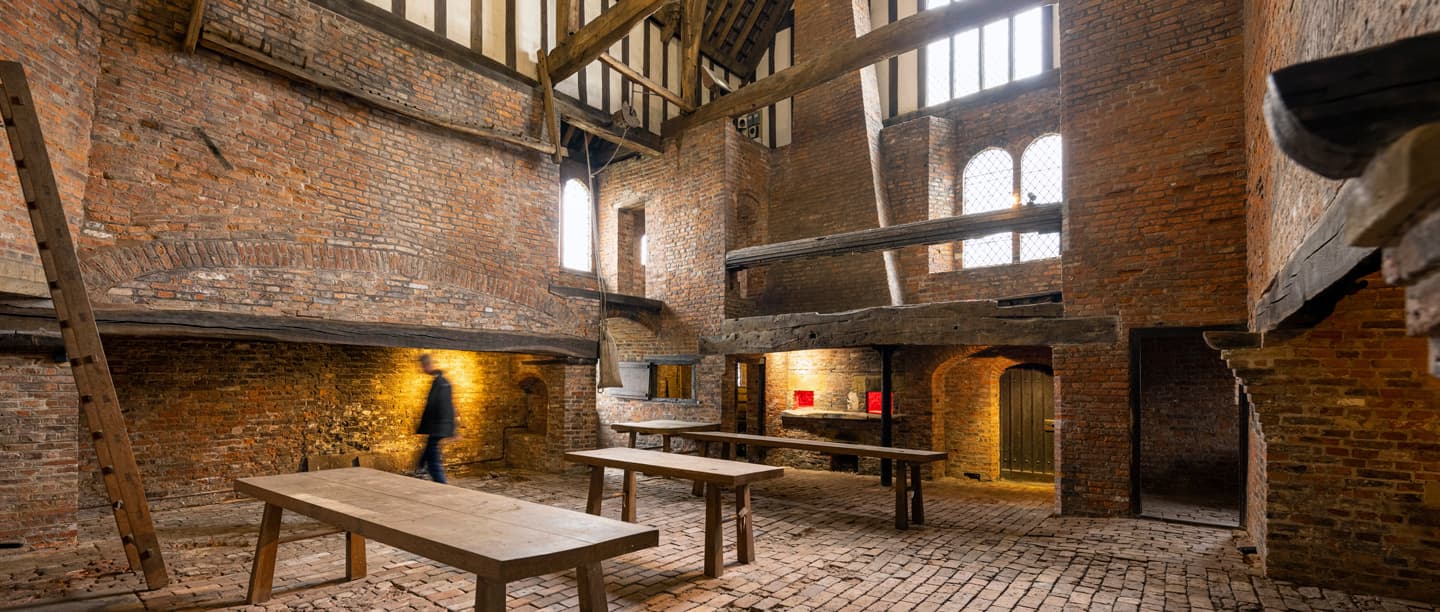
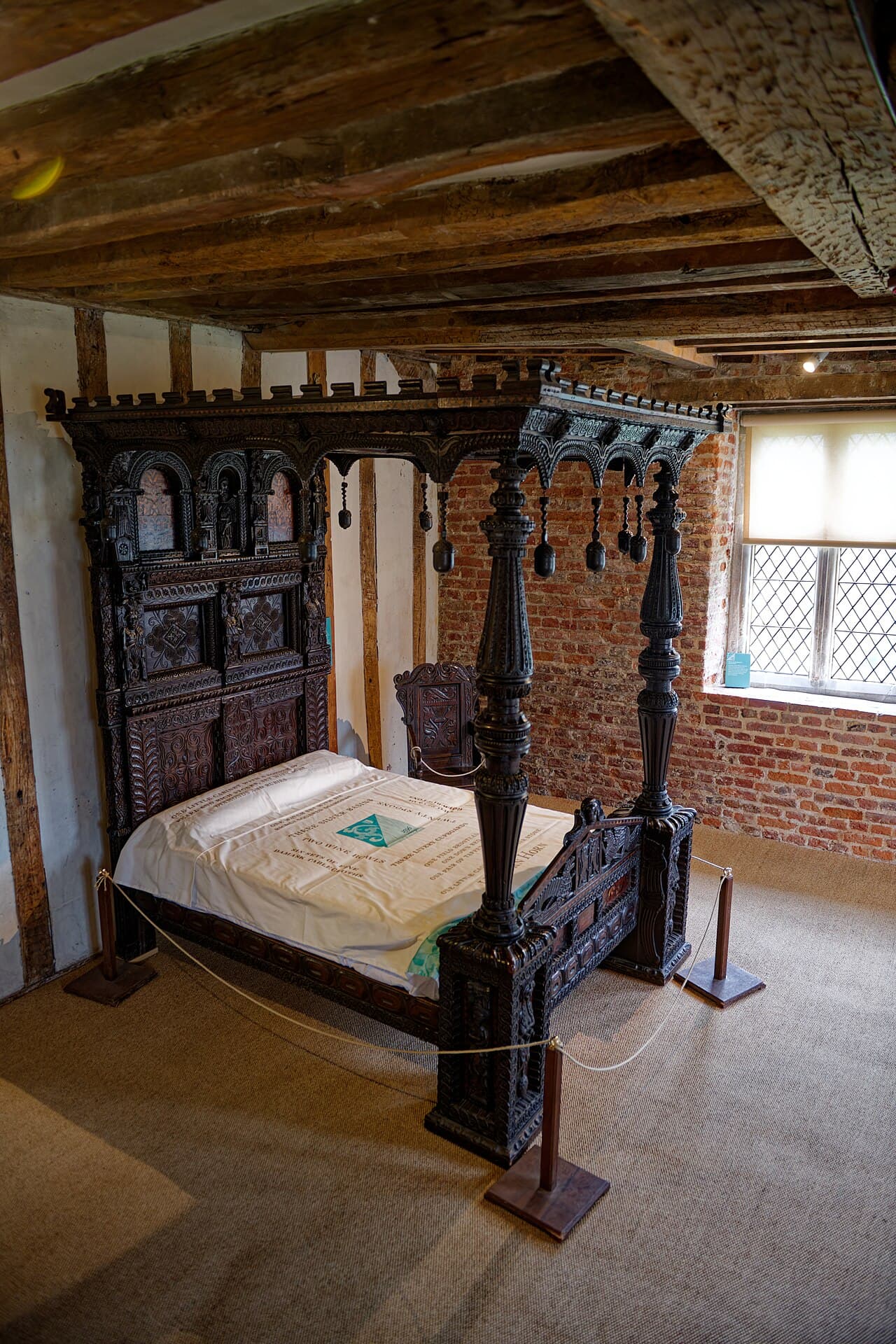
a month agoVisited on a Sunday and it was a delight to look around as it was pretty quiet. A very well preserved old hall built in the late medieval period. The hall and kitchen were so impressive as were the 12 hotel style rooms each with a fire and toilet! A lovely way to kill a few hours. A nice cafe available for refreshments.

David Burnett
2 months agoWonderful place in Lincolnshire. Nice to spend a few hours looking at how they used to live. Staff friendly and knowledgeable and if you buy a membership, you save so much money after visiting 2 sites. Would return in the future.

Terry Leake
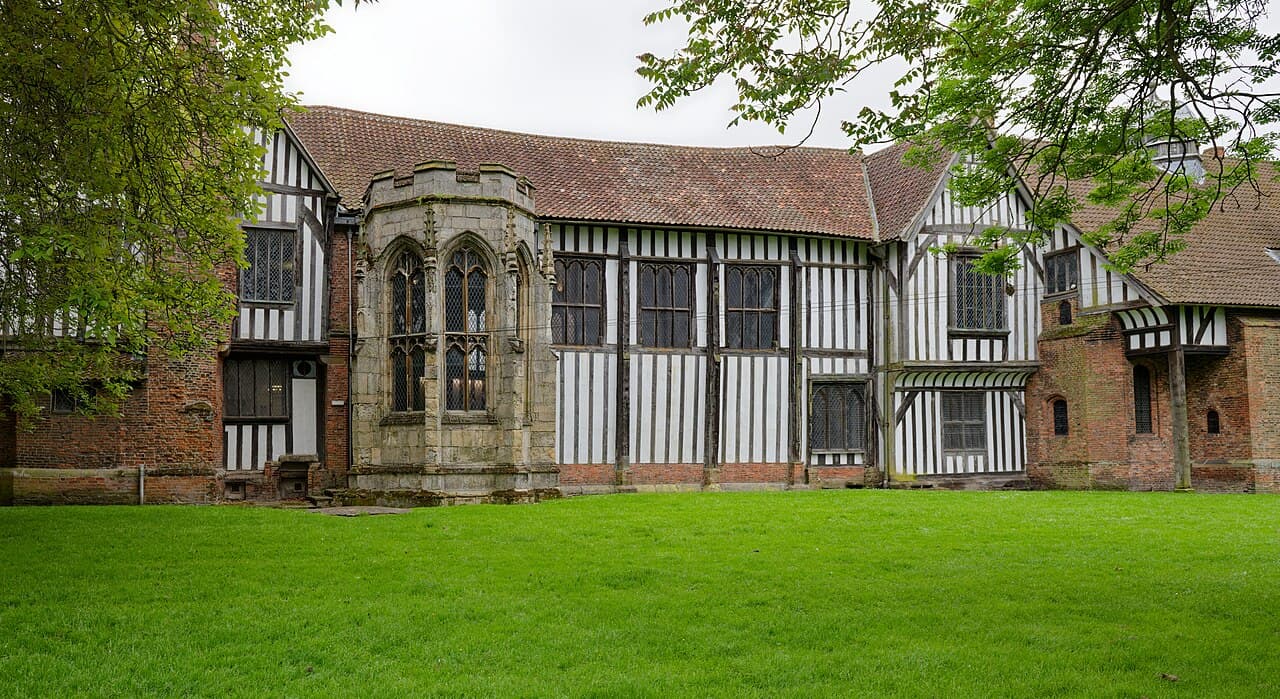
2 months agoA Magnificent Medieval manor house looked after by English Heritage. It was great to walk through the timber framed rooms and imagine the history before us. I wasn't brave enough to venture all the way up the Tower but my other half said the views were worth it. Built in the late 1400's, records show that King Richard III visited.

Rarelesserspotted of East Yorkshire
3 months agoThis is a fascinating and historically important venue. Well laid out with guides and notices on the history. Great cafe and very friendly staff. This was a good value for money visit and cheap parking just a few yards away.

Jo G
3 months agoGainsborough Old Hall is one of those rare places where the past hasn’t just survived — it has outperformed everything built since. Turning up for their community day only reinforced that impression: the volunteers and staff were genuinely welcoming. Historically, the Hall earns its reputation. Built in the late 15th century by Sir Thomas Burgh, it was designed as a statement of wealth and ambition, complete with a vast great hall, a fashionable brick tower, and one of the finest surviving medieval kitchens in England. It later passed to the Hickman family in 1596, who added their own improvements and turned it into a centre for Puritan dissent — because if you’re going to host religious rebels, you might as well do it in style. Over the centuries the building has been everything from a manor house to a theatre, tenements, and even a pub — a sort of architectural CV that proves resilience if not always good taste. By the mid‑20th century it was in danger of collapse, and it was local volunteers who saved it, long before English Heritage stepped in. And then there are the mid 20th C “improvements” — the era when heritage was sometimes treated as a suggestion rather than a responsibility. The Hall didn’t escape unscathed. Some interventions from that period sit on the building like a polyester shirt on a Tudor portrait: technically functional, aesthetically questionable. They don’t ruin the experience, but they do remind you that conservation fashions change, and not always for the better. The good news is that the Hall has huge potential to shine even more. English Heritage’s recent conservation and reinterpretation work — supported by National Lottery funding — is already moving things in the right direction. With continued attention, and perhaps a gentle undoing of the less sympathetic 20th‑century touches, the building could present its medieval and Tudor fabric with even greater clarity.
Reviews last updated: 6 October 2026
Events at this venue
No events currently scheduled
Perfect for
Visit Information
OFFICIAL WEBSITEOpening Hours
Events at Gainsborough Old Hall
No upcoming events scheduled
Check back soon for new events at this venue.
This venue was last updated on 20 September 2026
