
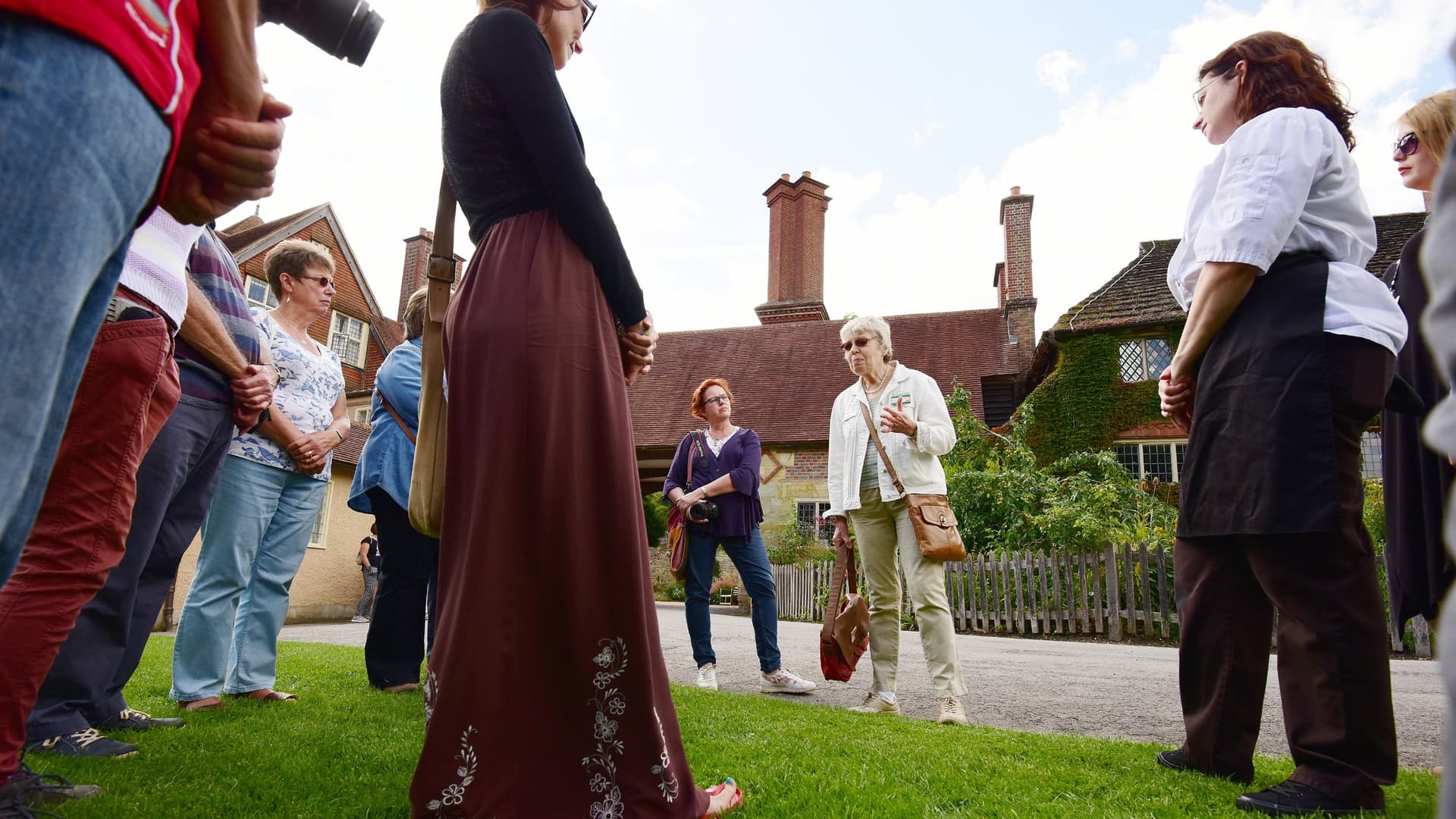
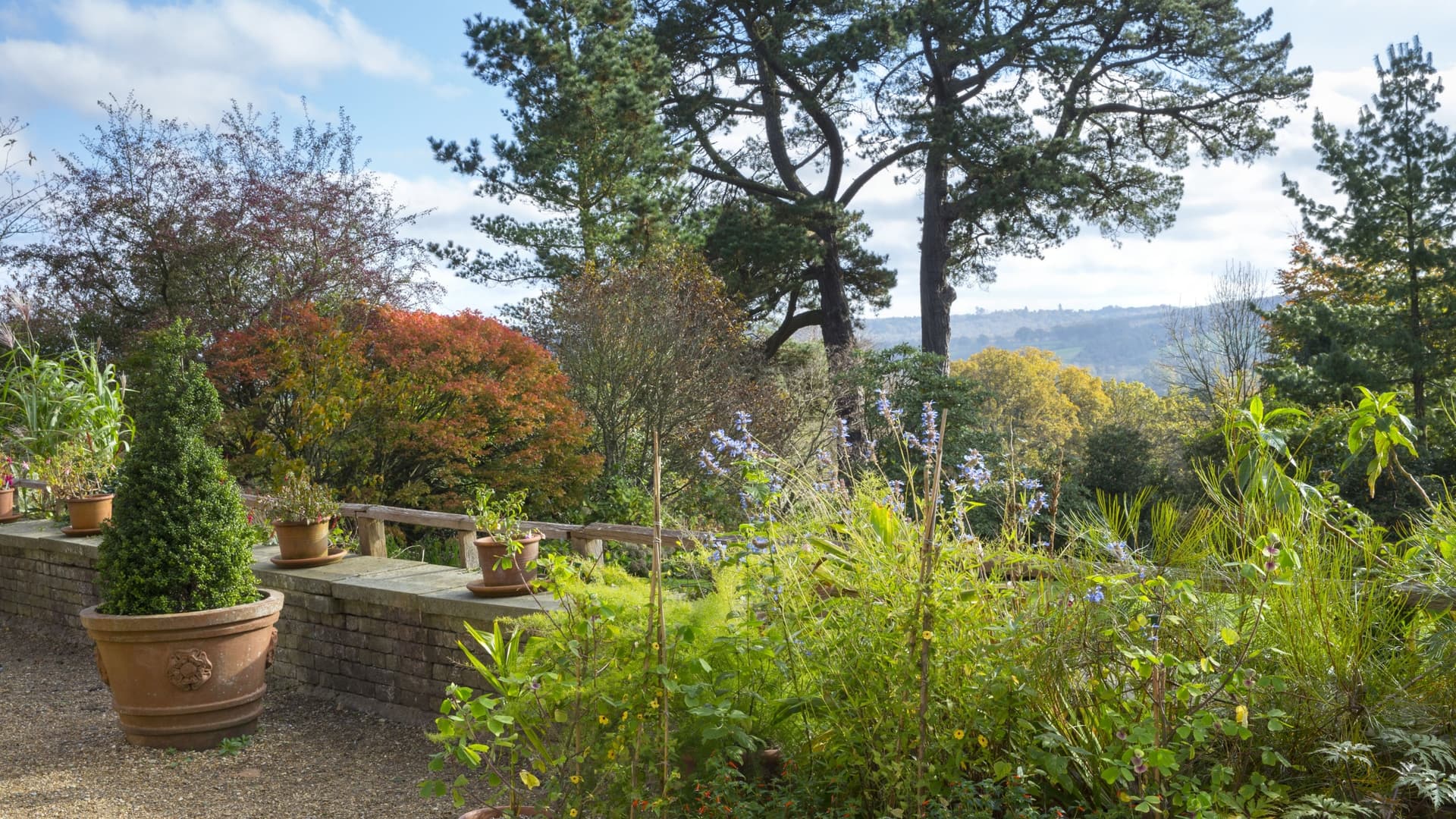
Photo credits: nationaltrust.org.uk
- Photo 1: From nationaltrust.org.uk
- Photo 2: From nationaltrust.org.uk
- Photo 3: From nationaltrust.org.uk
National Trust - Standen House and Garden
National Trust - Standen House and Garden
Events at this venue
See eventsExplore a stunning Arts and Crafts house with beautifully landscaped gardens, perfect for families seeking history, nature, and outdoor adventure.
Opening Hours
Venue Details
Venue Type
Indoor & Outdoor
Typical visit duration
All day
Booking
Walk-in
Recommended ages
5 years – 12 years
Perfect for
What this place offers
 Toilets
 Public transport nearby
 Baby changing facilities
 Pushchair friendly
Public transport
Within 10 minutes walk
☕ Food & Drink
Café
On-site café offering refreshments and light meals
Hours: 10:00 - 17:00
What Parents Say
KiddyCompass® FamilyWe analysed 195 parent reviews from the past 12 months and distilled the key insights for you.
Updated 26 October 2026There’s more inside
Join KiddyCompass® Family to unlock 10 insight categories and age suitability data.
Become a Family MemberGoogle Reviews

Emzz
2 months agoBreathtaking, of all the National Trust properties I have visited so far, this is truly my favourite. The details, the textiles and crafts, the pottery, the furniture, the colours - everything creates such an harmonious, relaxing and warm atmosphere. I took pictures of every single corner, every room was “my favourite”. Ahhhhhhh!!!! I love this place!

Ian Williams
2 months agoThere are country houses, there are Arts and Crafts masterpieces, and then there is Standen House and Garden: the National Trust property that answers the question, “What if William Morris designed a very tasteful obstacle course for pensioners?” Approaching the house, you are immediately struck by the glorious Sussex setting, the rolling views, and the sense that every visitor has arrived wearing either expensive walking boots or a fleece purchased during the Blair administration. The car park attendants greet you with the solemn gravity of air traffic controllers, directing Volvos and electric SUVs into neat little rows before you begin the long pilgrimage uphill towards the entrance. By the time you reach the house, you feel you’ve already completed the South Downs Way. Inside, Standen is a triumph of Arts and Crafts design: wallpaper, fabrics, tiles, carpets and curtains all competing politely to demonstrate that nobody in 1894 had ever heard the phrase “maybe that’s enough pattern.” Every surface appears to have been personally approved by William Morris during a particularly energetic phase. You leave with the distinct impression that the Victorians would happily have wallpapered the family dog if given enough time. The Beale family fortune, one learns, came not from sugar plantations or colonial trade, but from the altogether more British art of invoicing people for legal paperwork. The family firm prospered magnificently during the great railway boom, proving that wherever Victorian Britain laid a mile of track, a solicitor was never more than six feet behind it carrying a leather briefcase and an alarming billable hourly rate. One wanders through the elegant rooms pondering the moral hierarchy of inherited wealth. Is it more ethical to build a fortune from the slave trade, or from charging rival railway companies three guineas to dispute whose embankment had frightened a cow near Swindon? The National Trust tactfully leaves visitors to decide for themselves while browsing the gift shop tea towels. And of course, modern visitors cannot help wondering whether today’s infrastructure solicitors are enjoying a similar bonanza from HS2 Ltd. Somewhere in a glass office in Birmingham or London, there is surely a partner billing £700 an hour to argue about compulsory purchase orders while quietly selecting Farrow & Ball shades for a future Arts and Crafts-inspired kitchen extension. The circle of British history continues unbroken: first the railways create the wealth, then the wealthy build country houses, and eventually the public pay £18.50 each to visit them and buy a commemorative chutney. One also begins to suspect that the Beales may have unconsciously inspired the great fictional dynasty of EastEnders. The parallels are difficult to ignore. Here too is a sprawling family empire built on relentless commerce, simmering emotional repression, and people quietly judging each other over tea. The only real difference is that the Standen Beales expressed themselves through Morris textiles and tasteful panelled interiors, whereas the Walford branch preferred screaming “Leave it, Ian!” across a market square beside a burned-out fruit stall. Had the original Beales survived into the television era, one imagines the family solicitor’s office eventually giving way to a chain of cafés serving heritage scones at £6.80 apiece while various descendants fought bitterly over the ownership of the orangery.

Paul Robards
4 months agoMy wife and I had a great visit here last week. We were lucky with the weather. Good cafe, in a barn. Second hand book store with very resonable prices. The house was very interesting to look around. Lovely furniture, lighting, paintings and wall coverings. Easy parking and w/c facilities. Friendly, helpful staff..

Jim Potter
4 months agoWe really only did the gardens which were lovely. Lots of variety and I can imagine as the weather gets warmer will be even better. Resturant food was good and better priced than at other NT establishments. Well done. Only bit if house we might've visited was early electrics installation but truthfully we'd enjoyed our day and getting late. Be good if they offered just a garden pass! though

Andrew Thomas
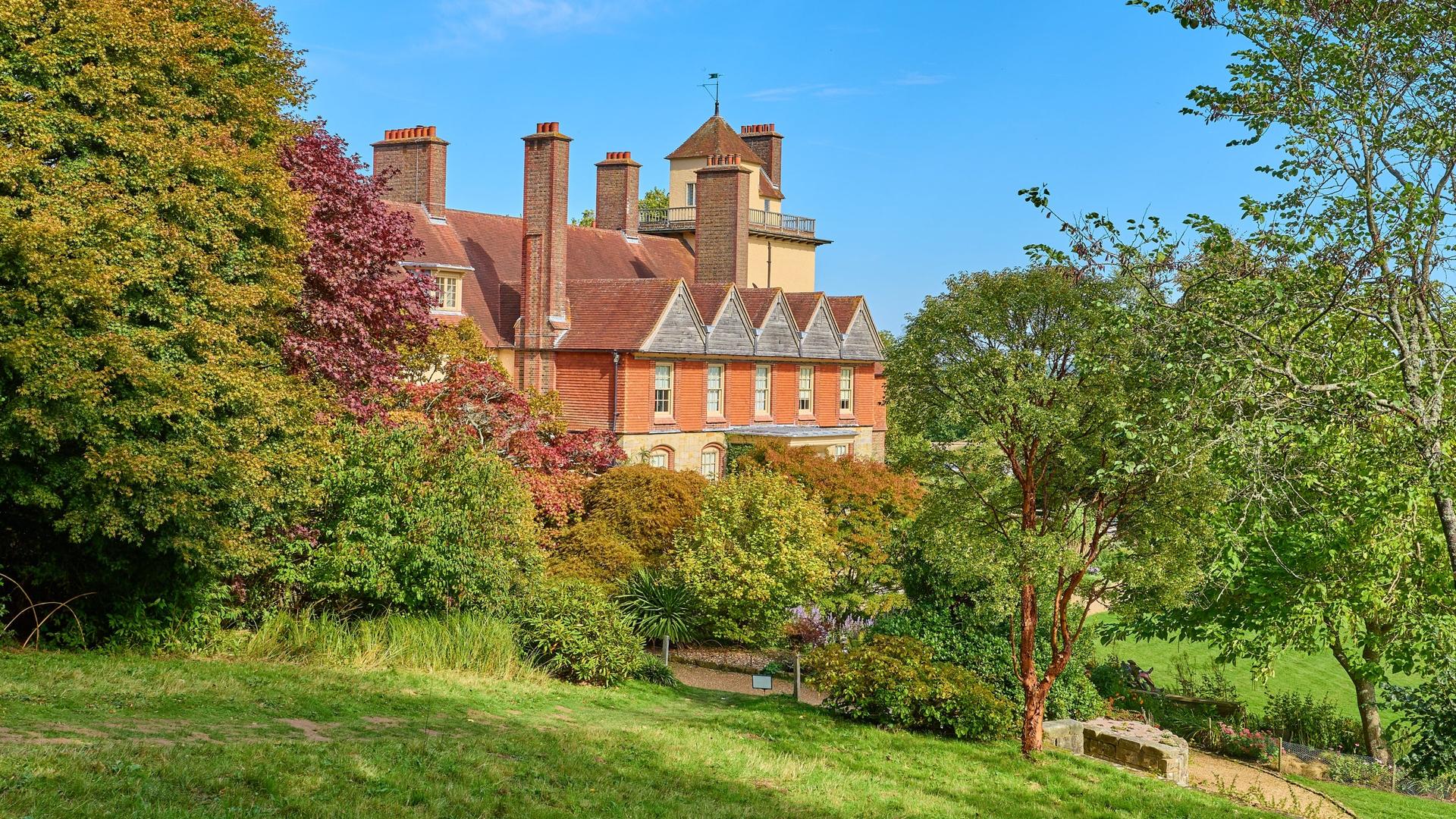
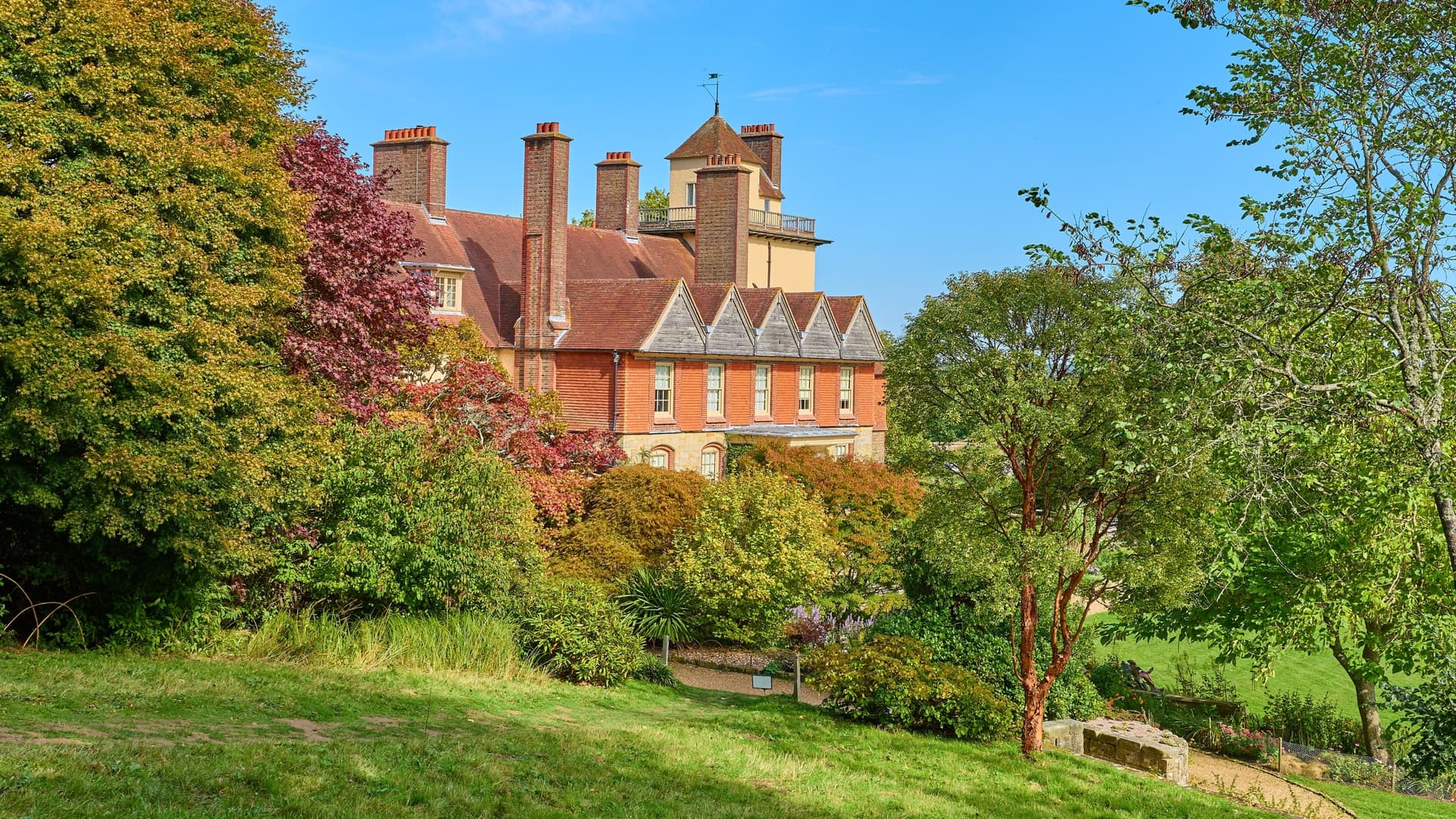
8 months agoDistinctive Arts and Crafts house, set within attractive gardens overlooking the Sussex weald, with very good visitor facilities managed by the National Trust. The house dates back to the late 19th century, and was built for Margaret and James Beale to a design by architect Philip Webb. It is decorated as it would have been in 1925, and is a showcase for the Arts and Crafts interiors of William Morris. The inviting rooms demonstrate the attention to detail, craftsmanship and appreciation of nature championed by the Arts and Crafts movement. The grounds include a kitchen garden, ornamental flower beds (at their finest when I visited in late summer), and well marked woodland trails. Longer walks are possible heading out of the estate into the attractive countryside at the edge of the Ashdown Forest. Onsite facilities are comprehensive, with plenty of parking, a large café offering cakes, drinks and light lunch options, toilet facilities, and a gift shop that also stocks garden plants. The grounds and gardens are dog friendly, but not the house. Adult tickets were £17.00 at the time of my visit, representing reasonable value for money given the amount there is to see.
Reviews last updated: 6 October 2026
Events at this venue
See eventsPerfect for
Visit Information
OFFICIAL WEBSITEOpening Hours
Events at National Trust - Standen House and Garden

This venue was last updated on 20 September 2026
